
Data center cooling failures often start with small fluid connection problems. Even a tiny leak can cause downtime, expensive repairs, and equipment damage.
Dry break interlock quick disconnect couplings provide leak-free, safe, and efficient coolant connections for liquid-cooled data centers. Their automatic shut-off valves and interlock mechanism prevent fluid loss, reduce maintenance risks, and improve system reliability for AI and HPC cooling applications.
As AI servers continue to increase rack densities, reliable liquid cooling connections have become as important as pumps, cold plates, and heat exchangers. Based on my experience supplying stainless steel flow control components for industrial fluid systems, I believe selecting the right coupling can significantly improve both uptime and long-term operating costs.
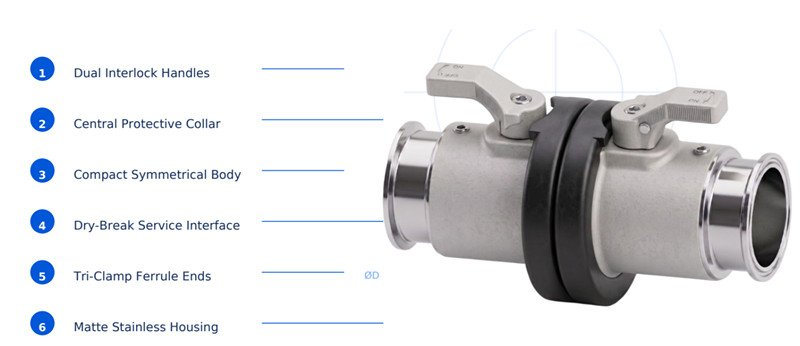
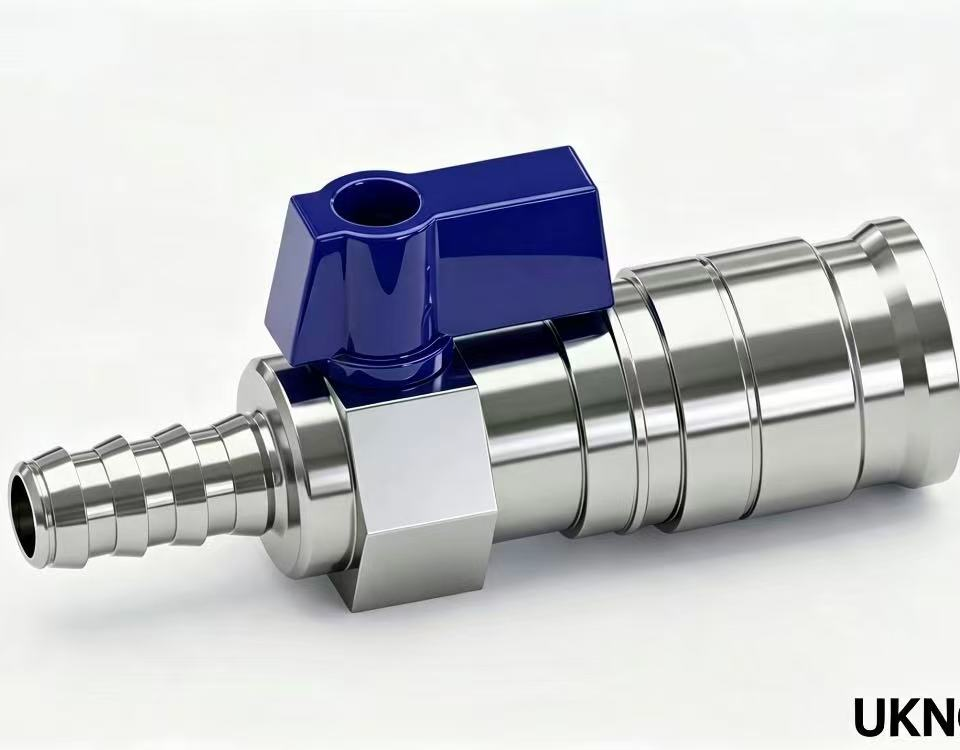
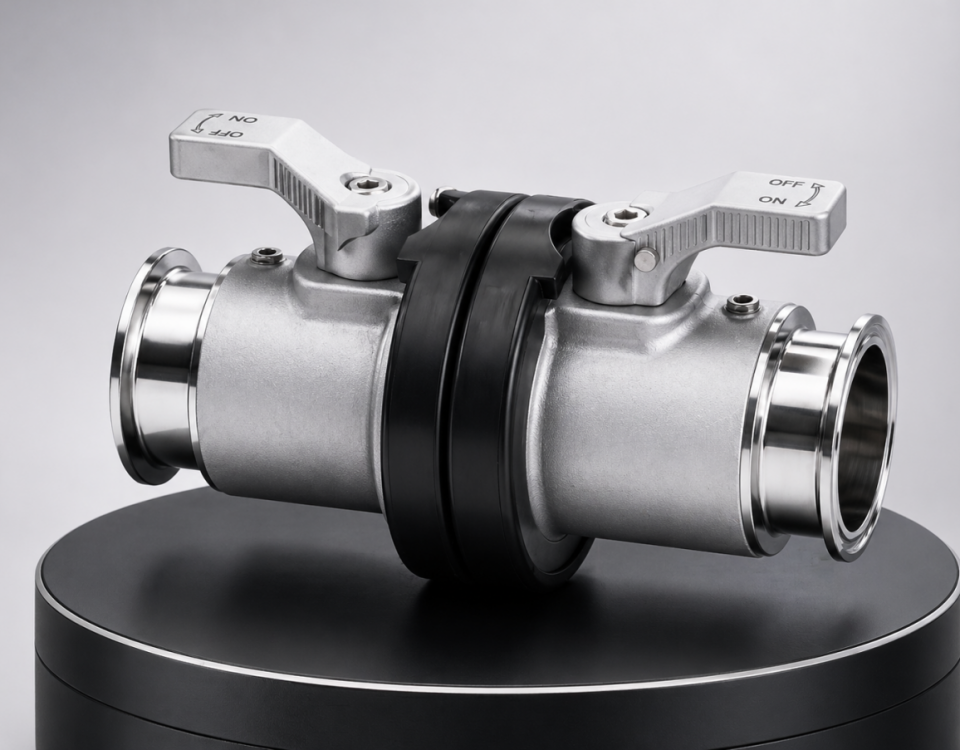
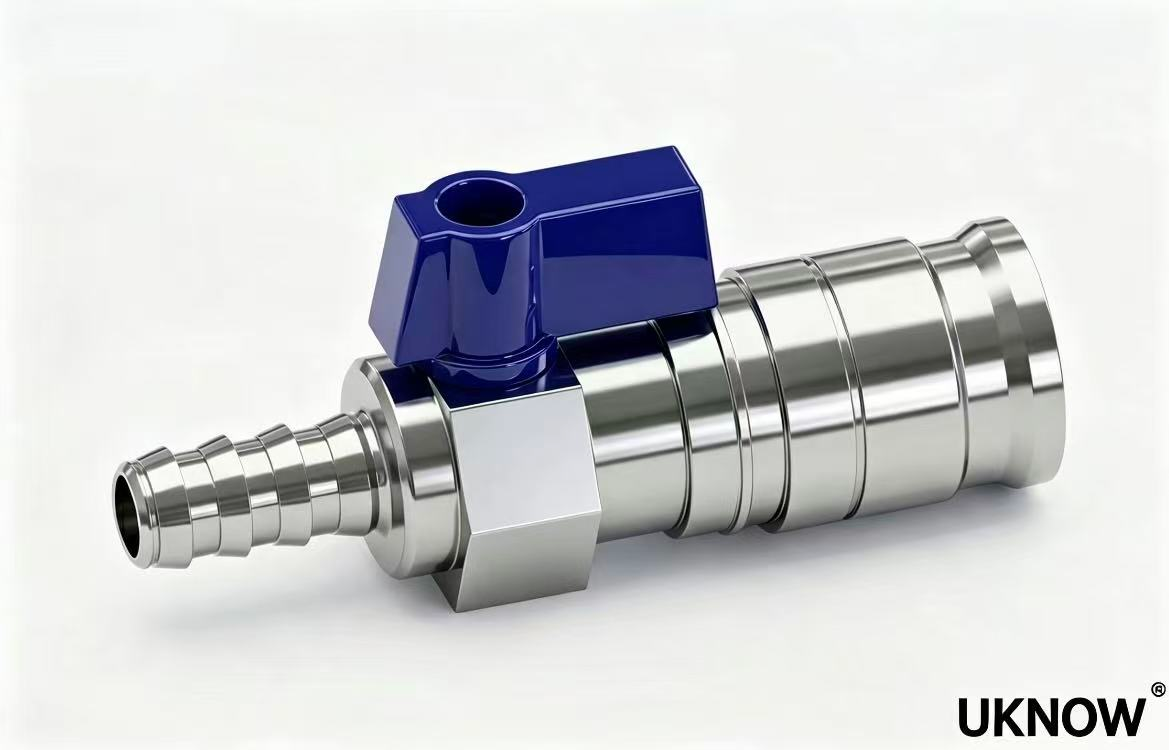
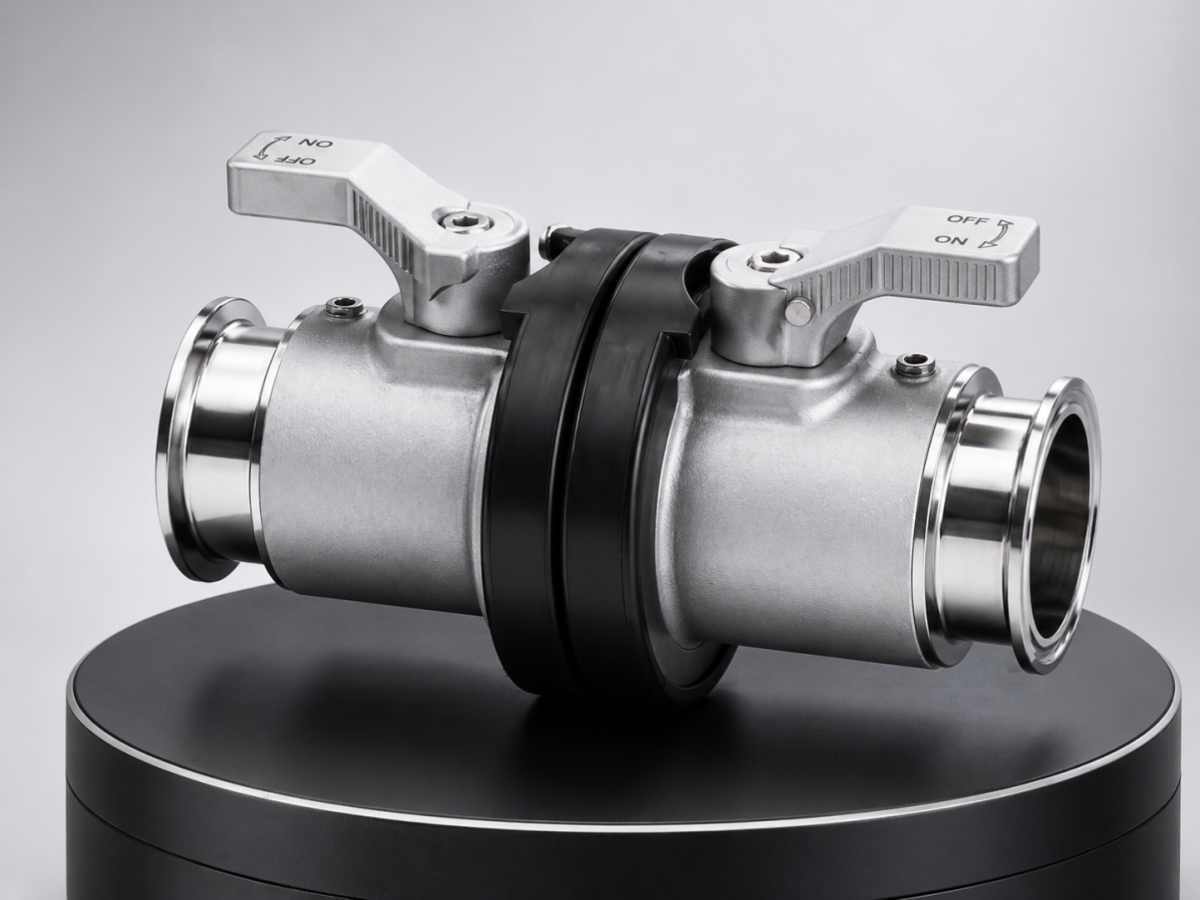
In high-density data center liquid cooling systems, every connection point is a potential vulnerability. Coolant leaks can damage expensive IT equipment, while unplanned downtime disrupts operations. The FD83-compatible dry break interlock quick disconnect coupling addresses these challenges with a design focused on safety, performance, and long-term reliability.
Performance Comparison: Dry Break vs. Standard Couplings
Choosing the right coupling directly impacts system efficiency and maintenance costs. Here’s how dry break couplings compare to standard quick disconnects:
| Feature | Dry Break Coupling | Standard Quick Disconnect |
| Fluid Loss During Disconnect | Very Low (drops) | Moderate (stream or spill) |
| Air Ingress | Minimal | Higher |
| Pressure Drop | Lower (full-flow design) | Varies (often higher) |
| Maintenance Cleanliness | Excellent (dry break) | Fair (potential for drips) |
Safety First: The Interlock Advantage
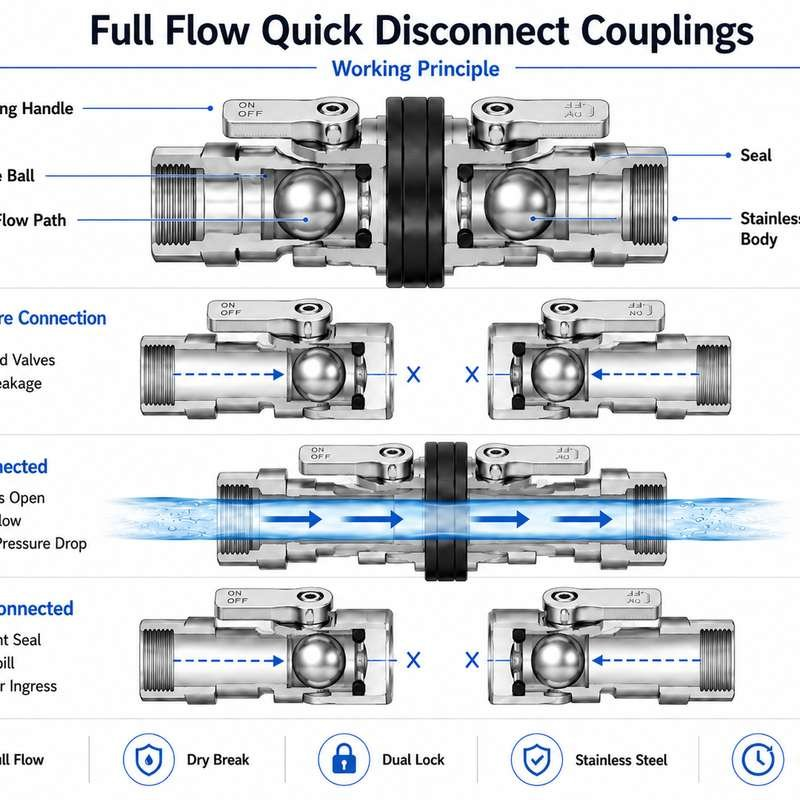
Safety is paramount in critical cooling infrastructure. Dry break couplings with an interlock mechanism provide:
- Controlled Disconnection: Prevents accidental release.
- Automatic Shut-Off: Both sides seal instantly upon disconnection.
- Reduced Spill Risk: Minimizes coolant loss and slip hazards.
- Interlock Protection: Prevents opening the valve until fully locked, and prevents disconnection until the valve is closed.
Standard couplings generally lack these integrated safeguards, increasing the risk of fluid spills and operator exposure to coolants.
Which One to Choose?
For mission-critical liquid cooling applications, I recommend dry break interlock couplings. While their initial purchase price may be higher, the investment is usually offset by:
- Lower maintenance costs due to reduced contamination and seal wear.
- Reduced unplanned downtime from faster, safer servicing.
- Less coolant waste and lower fluid replenishment costs.
- Improved equipment protection against costly liquid damage.
Installation & Maintenance Best Practices
Due to its exceptional sealing performance and high sanitary rating, this valve is widely used in:
- Liquid Cooling Systems: Specifically optimized for cooling circulation in data centers and high-performance computing (HPC) environments.
- Automation Equipment: Integrated into multi-chamber vacuum process machinery.
- Semiconductor Industry: Used in gas distribution systems and vacuum transport lines.
Installation & Maintenance Best Practices
Even the highest-quality coupling requires correct installation and care to achieve its full service life.
Installation Tips
- Clean all connection surfaces before assembly to prevent contamination.
- Confirm seal compatibility with your specific coolant (e.g., water-glycol mixtures).
- Avoid side loading during connection to prevent misalignment.
- Tighten threaded connections to the recommended torque.
- Pressure test the system before full operation to verify integrity.
Routine Maintenance
Inspect couplings periodically for:
- Seal wear (cracking or hardening)
- Corrosion on metal surfaces
- Locking performance (smooth engagement)
- Valve movement (smooth actuation)
- External damage (dents or scratches)
Replacing worn seals before leakage develops is a simple and cost-effective preventive measure.
Common Issues and Solutions
| Issue | Possible Cause | Solution |
| Minor leakage | Worn or damaged seal | Replace seal with compatible material |
| Difficult connection | Dirt, debris, or physical damage | Clean and inspect mating surfaces |
| Reduced flow | Internal blockage or valve issue | Flush the system loop |
| Lock won’t engage | Mechanical wear or misalignment | Replace coupling |
Applications
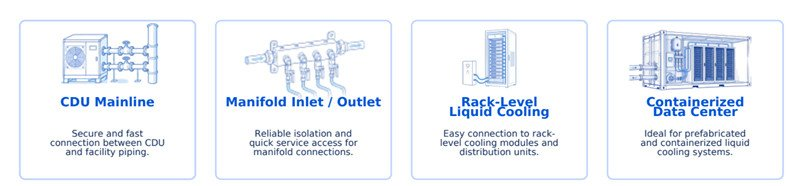
Liquid cooling is expanding rapidly across many data center architectures.
Dry break interlock couplings are widely used in direct-to-chip cooling, coolant distribution units, AI clusters, and high-performance computing facilities.
FAQs: Your Questions Answered
Q: What coolant can dry break couplings handle?
Most models are compatible with water, water-glycol mixtures, and many industrial coolants, provided the seal material matches the fluid. Our FD83 series uses EPDM seals, which are well-suited for common data center coolants.
Q: Are dry break couplings completely leak-free?
No mechanical connector is absolutely leak-free under all conditions. However, high-quality dry break couplings reduce fluid loss to only a few drops during disconnection—a significant improvement over standard designs.
Q: Why is the interlock mechanism important?
It prevents accidental separation while the system remains pressurized, reducing both safety risks to personnel and the potential for major coolant spills.
Q: Can stainless steel couplings resist corrosion?
Yes. 316L stainless steel is particularly suitable for demanding liquid cooling systems because of its excellent corrosion resistance against coolants and environmental factors.
Q: Do dry break couplings reduce downtime?
Absolutely. They allow individual servers or cooling modules to be disconnected without draining the entire cooling loop. This capability significantly shortens maintenance windows for server replacements or upgrades.
—
For detailed technical specifications or to request samples of our FD83-compatible dry break couplings, please contact our team. We’re ready to support your data center cooling projects.